Every equipment inspection is kept as its own permanent row against the asset, distinct from the Equipment Register itself, so a pattern of due diligence can actually be shown.
Platform
Equipment Inspections
Inspection schedules and history for every registered asset, alongside LOLER thorough examination.
Available
Overview
Equipment inspections and compliance schedules are established and live, distinct from the Equipment Register itself — inspection rows are never overwritten, preserving full history.
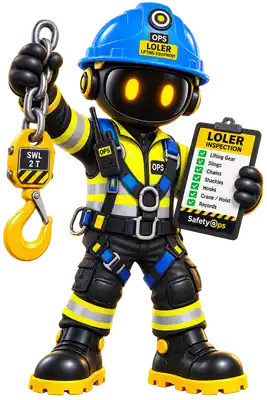
LOLER thorough-examination records carry their own additive fields (report reference, defect severity, remedy-by date).
Why it matters
A single overwritten inspection record can't prove a pattern of due diligence. Preserving every inspection as its own row is what actually stands up to scrutiny.
Benefits
Never-overwritten history
Every inspection is its own record, kept permanently against the asset.
Schedule-driven
Inspection schedules surface upcoming and overdue checks.
LOLER thorough examination
Defect severity and remedy-by dates are captured for lifting equipment.
Workflow
- An inspection schedule flags equipment coming due.
- The inspection is carried out and logged as a new record.
- Any defect raises an Action Centre item automatically for critical/high severity.
Interface
A dedicated interface for this module already exists in the SafetyOps application.
Frequently asked questions
What happens if a critical defect is found during an inspection?
For LOLER, critical/high-severity defects automatically raise an Action Centre item so it's tracked to close-out.